Media
AI Max for senior living: let it match, don't let it write
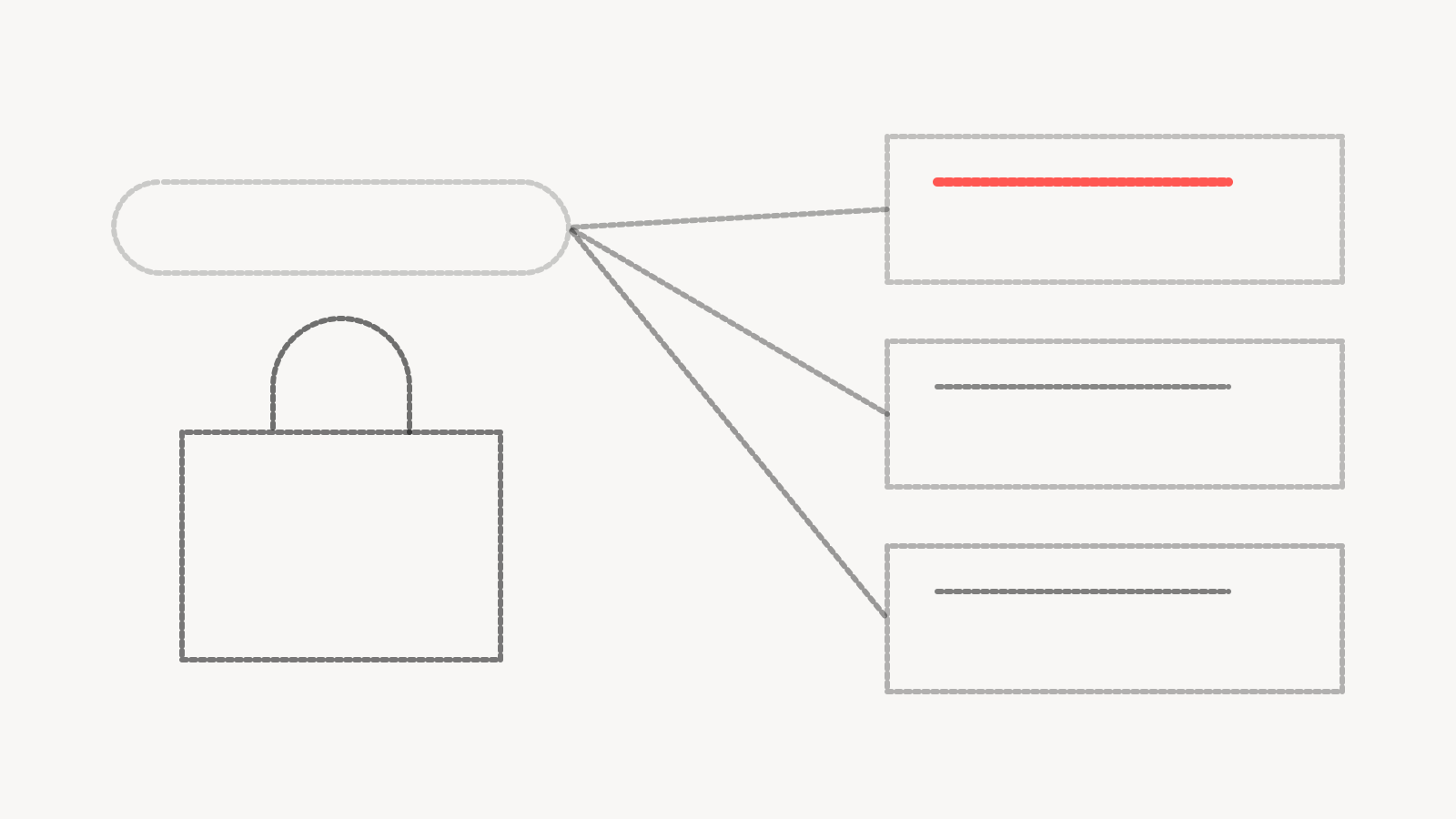

Most of the senior living sector has decided AI Max is a compliance problem for housing and stopped there. That instinct is understandable and mostly wrong. Our position is narrower: senior living is a good fit for what AI Max does to targeting, and a bad fit for what it does to copy.
The compliance objection, cleared
There is no Google policy barring AI Max on senior living. Google's Housing, Employment and Credit policy restricts targeting: age, gender, parental status, marital status, ZIP. AI Max broadens query matching. Those are different surfaces. AI Max is not choosing who sees the ad based on a protected attribute. It is choosing which searches the ad answers.
The real constraint is more specific, and it is in Google's own documentation. With text customization on, assets are fully automated and sourced from the community's website. With text customization and final URL expansion both on, RSA pinning is not respected. Put together, AI Max will write copy nobody has reviewed, and it switches off the pinning regulated accounts use to lock compliant language in place.
Senior living websites are full of "award-winning", "best-in-class" and "the region's premier". Fine on a website. Exactly what gets a housing ad disapproved. This is not a policy prohibition. It is an unreviewed-copy problem, and unreviewed copy in a regulated category is a bad trade at any conversion rate.
Why the matching fits
AI Max broadens into adjacent entity names, matching your ad to searches for businesses like yours. Whether that helps depends on one question: when someone searches a competitor's name, are they a customer you can win?
In senior living, yes. Families shop several communities, tour several, and search competitors by name as a matter of course. In the accounts we manage, competitor-name searches are some of the better traffic. A cost-only audit would add them as negatives. That would be a mistake.
The signal problem
AI Max learns from conversions, and senior living accounts are conversion-poor. A local truck-parts business in our book runs roughly 200 conversions a fortnight. A typical senior living community runs 4 to 6. That is more than a thirty-fold difference in learning rate. Judge it over a quarter, not a fortnight, and never switch it on where conversion tracking is not fully trusted. An automation optimizing toward a partly dark signal will confidently optimize toward nothing, and it will look like performance.
What we configure
- Search term matching: on
- Text customization: off
- Final URL expansion: off, which keeps pinning working
- Brand exclusions: on and populated
- Negative keyword lists: unchanged
Start with the community that has the cleanest tracking, not the biggest budget. Read the search terms weekly for the first month to confirm the broadening lands on genuine local competitors and not on referral aggregators, the senior-living-specific waste case.
What would change our mind
On copy, one thing: pre-approval review of generated assets in regulated categories. Until an automated claim can be seen before it serves, it should not serve on a housing account. That is the standard we would apply to a junior copywriter.
Configure it carefully, in about an afternoon. Then go do the work it cannot touch.